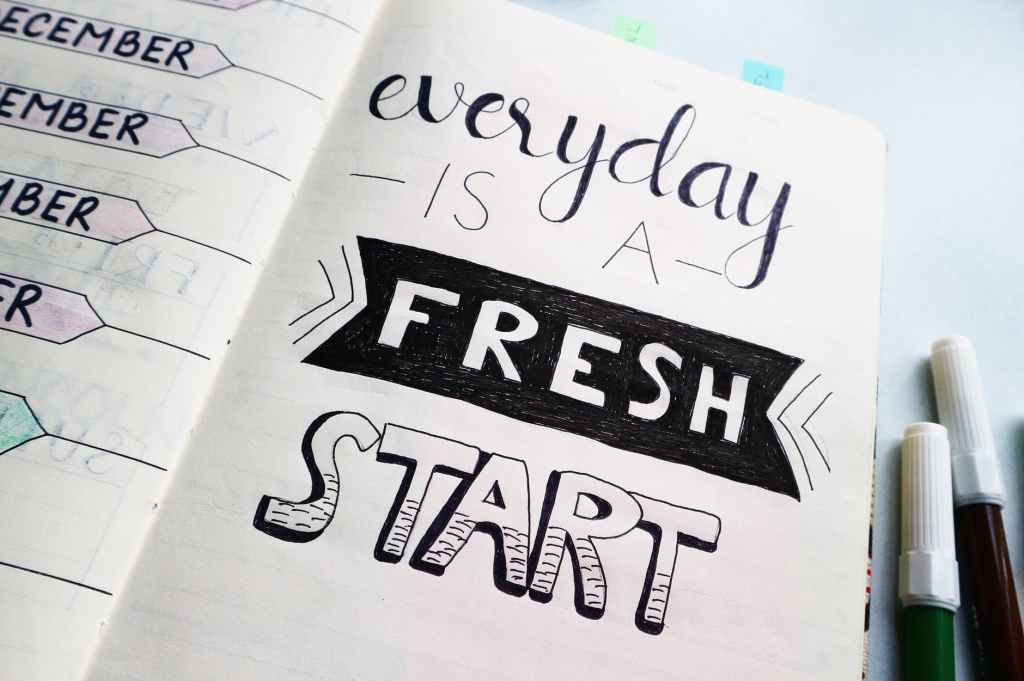
This week I’ll be doing things a little differently from how I did them last week and the few weeks before. meaning, Hopefully I’ll get things done this week. I drew up a schedule designed around hitting all of the habits I want to re-develop (for some reason I lose them after a month) and doing the work that I want to get done. I want it to be slightly flexible though, because one of the reasons I’ve failed at following schedules before is that I plan the entire week out, a day changes and I might go out to lunch or dinner with someone and then the schedule just breaks from there. It’s important to try different styles of scheduling if you haven’t been able to stick to one. Not everyone works the same. I would love to have a packed schedule I could follow that meets all of the goals I want to achieve, but if I could do that, I wouldn’t be coming on here every second week and writing posts filled with sighs because I got nothing done. Especially when it comes to craft work, if I don’t want to do it, it’s not going to get done.
What I discovered about myself through the dozen different schedules I’ve created since early high school is in the list below, and towards the end I’ll explain how I’ve evolved from struggling with schedules to finding what works for me.
Please keep in mind that before the past few years, I struggled with depression, anxiety and OCD. It’s important to know that OCD isn’t just about “keeping things straight and ordered”, it has severe impacts on everyday life in ways that may seem insignificant or ‘silly’ but are actually quite serious.
- I was inflexible. I’m not nearly as bad now (it was largely due to OCD) but if I missed something on my schedule, I would fret about where to put it back in and would often just abandon the rest of the day. If couldn’t complete it in order then it couldn’t be done.
- I can’t plan much more than a week or two. Planning too much can be frustrating when the schedule changes because it disrupts everything else. It comes back to not knowing how to move things around.
- Unrealistic expectations are a killer. Being inflexible was part of having unrealistic expectations on how well I would follow the schedule. I would plan it out to maximise what I wanted to do but in reality, I might have good days or bad days or not be able to fit so much study in one week and just burn myself out for the next week. I was obsessed with big, packed schedules that would fall apart when I couldn’t complete days because something new came up.
- I’m quick to ‘take a rest’. Because of the unrealistic way I would plan my schedules, I would burn out and take a ‘rest day’ that result in me not bothering with the schedule anymore. I have found though, that I can keep a habit for a month but then it kind of goes away, which is strange considering you’re meant to be able to maintain a habit if you last a month.
- Your mind doesn’t always follow the schedule. Sometimes I might have a two hour block for writing, but then it’ll turn into five and now I haven’t done any of my other work for the day and I don’t know how to catch up. These days, I let myself go. I don’t cut myself off if I’m on a roll (if I can help it) and I’m way less stressed about the idea of work building up. I give much more generous blocks of time for things to allow for this to happen, and so if I finish something early, I can use the left over time to catch up.
- Don’t forget about the little things. I would create this excellent (or so I thought) schedule but then forget that I needed to take time out to relax and take a breather, eat or do smaller tasks like bills or checking emails etc. That would then bite into time for other parts of the schedule and throw me off.
- Don’t micromanage if you can. You can also have too much on the schedule. I try to put things in blocks of half hours or hours and stick them under ‘umbrellas’ to help flexibility and give time for completing smaller more general tasks without sticking them all on the schedule and flooding it with lines of specific actions.
So, I was inflexible and had unrealistic expectations of what I could do and was quick to abandon what I had planned. These days, I plan only up to two weeks at a time, usually planning one week and just keeping an eye on what would be due the week after. I try to get my schedule done on time and in order but don’t panic if something changes it. I give larger blocks of time for better flexibility and use umbrella blocks so that I can get all of my little things done as well without creating a schedule that’s more than one page. Keeping it on one page keeps it simple for me. I also use umbrella blocks to keep it general to give me flexibility with certain activities. I rarely have specific goals for things like ‘writing’, ‘reading’, ‘blogging’ or ‘craft’ anymore because I don’t know how I’ll feel or what I want to do on those days. It’s more of a fancy guide than a schedule. I also create a schedule for guiding my time but still keep my BB for making sure I complete important/consistent tasks. I do my BB every morning (if I remember) and use it for a more specific glance at the week, putting in all of the five-minute tasks in there instead on in the schedule. I also make sure I plan appropriate time for sleep and breaks so I’m not burning myself out after three days. I wish I could make it on four hours of sleep but I can’t and I need to not pretend that I can. I’m prone to getting lethargic and so I need to consider that when I think about how I place the blocks of activity in my day.
Schedules shouldn’t be about forcing yourself to do things (although it’s important to try and complete tasks rather than just going ‘nah, don’t want to’). For me, at least, it’s about finding the balance between what I know I’m actually going to do and what I want to get done. It’s also something that shouldn’t be used to measure your success for the week (unless you’re really good at making them and following them). Sometimes I feel down about not meeting my writing targets, but it doesn’t mean that I haven’t done anything at all, I look at my schedules a little like that. I might not have completed every block to the minute or done as much, but it all starts with making the effort, and if it’s because I ended up just writing all day, that’s not a bad thing.
One last thing: I always schedule every day, but if you’re like me, plan your weekends but don’t expect yourself to stick to it. It’s okay to just do nothing or one thing for a day if you need to. It’s all about finding what works for you and how you can be the best you.

 Hopfield is Writing
Leave a comment